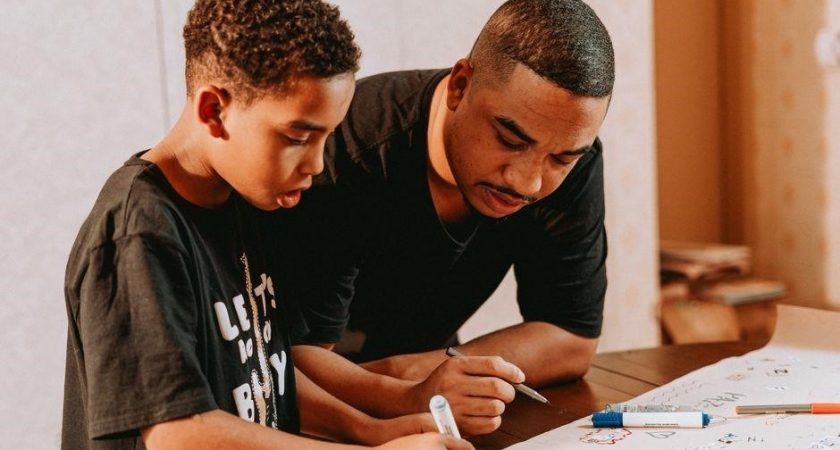
Job Overview
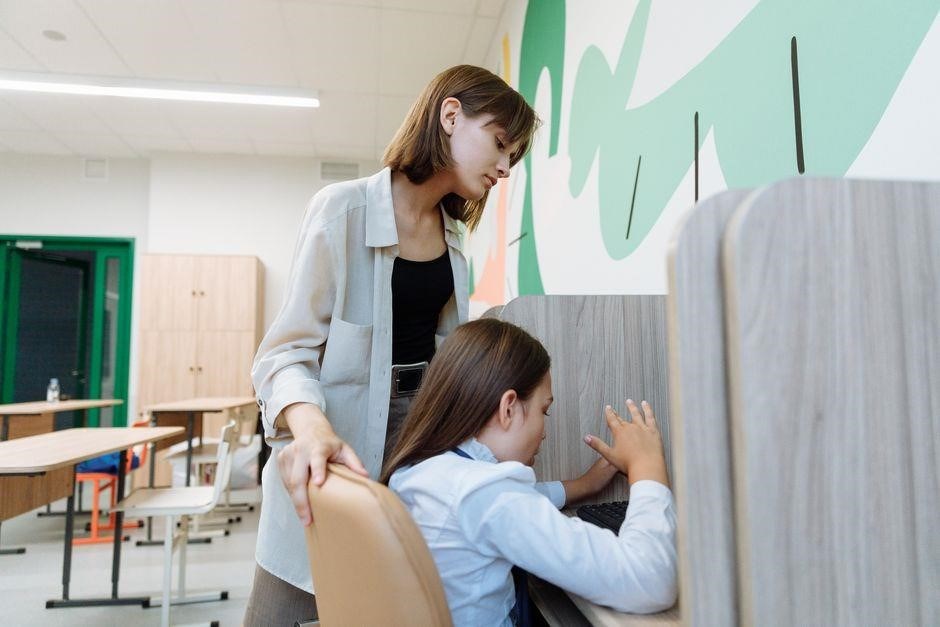
An Instructional Assistant supports certified teachers by reinforcing lessons, preparing materials, and assisting students individually or in small groups․ They monitor classroom behavior, adapt tasks for diverse learners, and help implement IEP goals under supervision․ They also manage classroom tech․ !!
Definition of Instructional Assistant
An Instructional Assistant is a frontline educational aide who works directly under a certified teacher to enhance learning experiences for students across all grade levels․ This role blends instructional support, classroom management, and individualized assistance to create an inclusive environment where every child can thrive․ The assistant’s primary function is to facilitate the teacher’s lesson plans by preparing materials, setting up activities, and ensuring that learning objectives are met in a timely and engaging manner․ They also provide one‑to‑one or small‑group instruction, reinforcing concepts and offering additional practice for students who need extra help․ By observing classroom dynamics, the assistant identifies students’ strengths and challenges, allowing the teacher to tailor instruction accordingly․ Additionally, they assist with behavioral guidance, helping to maintain a positive and productive classroom atmosphere․ In special education contexts, the assistant implements individualized education plans (IEPs), ensuring that accommodations and modifications are applied consistently․ Throughout the day, they track student progress, record attendance, and support the teacher’s administrative duties, such as grading and lesson documentation․ This collaborative partnership not only bolsters academic achievement but also promotes social emotional growth among learners․ Ultimately, the Instructional Assistant serves as a vital bridge between curriculum goals and student success, ensuring that educational delivery is both effective and equitable․
Key Responsibilities
Instructional Assistants support teachers by preparing materials, reinforcing lessons, and monitoring student progress․ They help maintain a positive learning environment and ensure each student receives individualized support․
- Assisting with lesson delivery and reinforcing concepts through small‑group or one‑to‑one instruction․
- Setting up and managing classroom resources, technology, and learning stations․
- Observing student behavior, documenting attendance, and recording performance data․
- Implementing individualized education plans (IEPs) and accommodations for students with special needs․
- Supporting classroom management by maintaining a positive learning environment and addressing behavioral concerns․
- Collaborating with teachers to adapt instructional materials for diverse learners․
- Providing clerical support, such as grading, organizing records, and preparing reports․
- Communicating with parents and staff about student progress and classroom events․
- Participating in professional development and training sessions to improve instructional strategies․
- Assisting with classroom technology, troubleshooting equipment, and ensuring all digital resources are functional for lessons․
- Collaborating with special education teachers to implement IEP goals, adapting activities, and tracking student progress toward individualized objectives;
- Maintaining classroom records, updating attendance logs, and preparing materials fornext lessons․
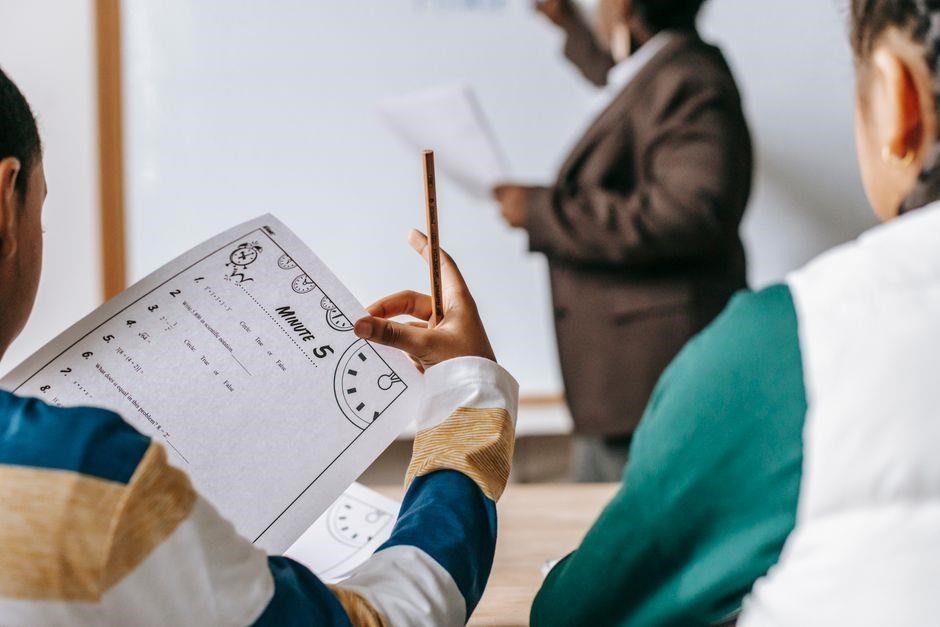
Work Settings and Environments
Instructional assistants work in diverse settings, from elementary classrooms to specialized learning centers, adapting to the needs of students with varying abilities․ They collaborate with teachers, support new practices, and help maintain a active environment․
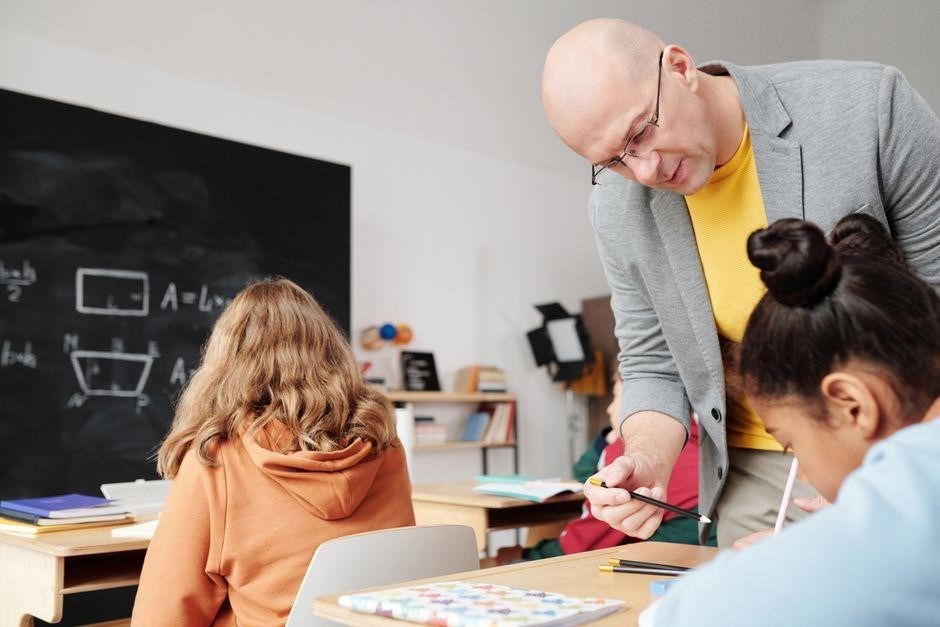
Educational Institutions
Instructional assistants in schools serve as the backbone of classroom operations, bridging the gap between curriculum design and student engagement․ They collaborate closely with certified teachers to scaffold lessons, ensuring that each student’s learning needs are met, especially in large or diverse classrooms․ By preparing instructional materials, setting up technology, and organizing resources, they create an environment conducive to active learning․ Their role extends beyond mere support; they monitor student progress, provide real‑time feedback, and help implement individualized education plans (IEPs) for students with special needs․ In addition, they assist with classroom behavior management, reinforcing positive conduct and fostering a safe, inclusive atmosphere․ Instructional assistants also facilitate small‑group instruction, allowing teachers to focus on broader instructional goals while ensuring that students receive personalized attention․ They often act as a liaison between students, teachers, and parents, communicating progress and addressing concerns promptly․ Their presence enhances instructional quality, reduces teacher workload, and promotes student success across all grade levels․ In many districts, assistants receive ongoing professional development to stay current with pedagogical strategies, technology integration, and inclusive practices․ This continuous learning enables them to adapt to evolving educational standards and diverse student populations․ Ultimately, instructional assistants are integral to the educational ecosystem, contributing to higher achievement, improved classroom climate, and a more equitable learning experience for every student․ Moreover, instructional assistants often coordinate extracurricular activities, such as after‑school clubs and field trips, ensuring that logistical details are handled smoothly․ They also maintain classroom records, track attendance, and assist with grading tasks, freeing teachers to focus on instructional planning․ In technology‑rich classrooms, assistants help students navigate learning management systems, troubleshoot software issues, and facilitate digital literacy․ Their adaptability allows them to work across multiple subjects, from mathematics to language arts, tailoring support to each discipline’s unique demands․ By fostering a collaborative partnership with teachers, assistants help create a cohesive instructional team that values continuous improvement and student-centered learning․ Their contributions are recognized in many school districts through performance evaluations, professional recognition, and opportunities for advancement into lead or specialist roles․ As education evolves, the demand for skilled instructional assistants grows, reflecting the critical role they play in shaping tomorrow’s learners․ Their dedication and expertise ultimately elevate the overall quality of education, ensuring that every student has the support needed to thrive․
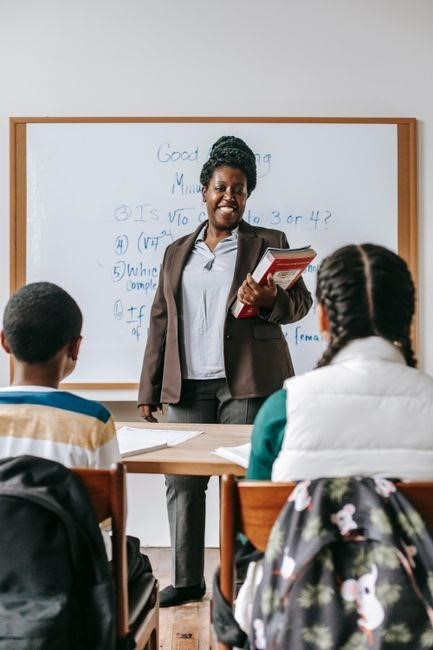
Special Education Settings
In special education settings, instructional assistants are essential in implementing individualized education plans (IEPs) and supporting students with diverse learning needs․ They work closely with certified special education teachers to adapt curriculum materials, facilitate hands‑on activities, and provide one‑to‑one or small‑group instruction tailored to each student’s strengths and challenges․ By monitoring behavior, reinforcing positive strategies, and ensuring compliance with state and federal regulations, assistants help create a structured, inclusive classroom environment․ They assist with assistive technology—such as speech‑to‑text software, adaptive devices, and specialized learning apps—enabling students to access content at their own pace․ Assistants coordinate data collection for progress monitoring, record attendance, and maintain accurate documentation of student achievements and accommodations․ Their collaboration with multidisciplinary teams—including occupational therapists, speech‑language pathologists, and behavior analysts—ensures that interventions are cohesive and evidence‑based․ Assistants also manage classroom logistics, setting up sensory stations, arranging seating plans, and preparing materials that align with sensory and cognitive preferences․ They provide emotional support, fostering self‑advocacy and resilience among students who may face social or academic challenges․ By serving as a bridge between home and school, instructional assistants communicate progress updates to parents, share strategies for reinforcing learning at home, and facilitate parent‑teacher conferences․ Their presence reduces teacher workload, allowing educators to focus on curriculum design and instructional delivery․ Continuous professional development in special education pedagogy, behavior management, and assistive technology is essential for assistants to remain effective․ Ultimately, instructional assistants in special education settings are indispensable partners in delivering high‑quality, individualized instruction that empowers students to achieve their full potential․ They also support transitions between settings!!?

Required Qualifications
Candidates should hold a high school diploma or equivalent, with coursework in education or special education․ A valid teaching assistant certification or state credential is preferred․ Prior classroom or tutoring experience strong communication and empathy are essential․
Educational Background
Instructional Assistants generally need a high school diploma or equivalent, with coursework in education, child development, or special education․ Many schools prefer candidates who have earned a post‑secondary certificate or associate degree in teaching assistance or related fields․ Coursework typically covers learning theories, classroom management, and inclusive education practices․ Some districts require a state‑approved teaching assistant credential, which involves passing a standardized exam and completing a supervised practicum․ Ongoing professional development in assistive technology, behavior intervention strategies, and differentiated instruction is encouraged to keep pace with evolving standards․ Candidates who have taken courses in psychology, literacy, or mathematics may have an advantage, as they can better support diverse learning needs․ Certifications in first aid, CPR, or child‑first aid demonstrate a commitment to student safety․

In addition to formal education, many districts look for evidence of hands‑on experience, such as internships in elementary or middle schools, volunteer work with after‑school programs, or tutoring roles․ Demonstrating proficiency in educational software (e․g․, Google Classroom, Microsoft Teams, and specialized learning platforms) is increasingly valuable․ Bilingual proficiency, especially in Spanish or other common languages, broadens a candidate’s effectiveness in diverse classrooms․ A strong academic record, reflected in GPA and relevant coursework, signals readiness to engage with curriculum design and assessment processes․

Additionally, a strong academic record, reflected in GPA and relevant coursework, signals readiness to engage with curriculum design and assessment processes․ Many employers also value experience with educational technology tools, data tracking, and classroom communication platforms․ and growth․ daily!

Certifications and Licenses
Instructional assistants often pursue state‑approved teaching‑assistant credentials, which require completion of a certified coursework package, a supervised practicum, and passing a competency exam․ Many districts also accept a post‑secondary certificate in education support, which covers classroom management, lesson‑plan modification, and data collection․ First‑aid and CPR certifications are frequently mandated to ensure student safety during instructional activities․ For those working in special‑education settings, a Special Education Assistant license or a related credential—such as a Special Education Teaching Assistant (SETA) license—provides legal authority to implement individualized education plans (IEPs) and use assistive technology․ Bilingual certification, especially in Spanish, French, or Mandarin, is increasingly valued in districts with diverse student populations․ Some schools require a valid driver’s license for transportation duties, while others seek a background‑check clearance that includes child‑safety verification․ Continuing professional development credits in inclusive education, behavior intervention, or digital literacy can enhance a candidate’s résumé and may be required for license renewal․ Employers often look for evidence of proficiency in educational technology platforms, such as Google Classroom, Microsoft Teams, and specialized learning tools, as well as familiarity with data‑tracking systems like PowerSchool or Infinite Campus․ Maintaining up‑to‑date certifications demonstrates a commitment to ongoing learning and compliance with evolving educational standards․ Many schools also require a background check that verifies no history of child‑abuse or related offenses for safety․
Professional Experience
Instructional assistants with 3–5 years of classroom support bring proven expertise in lesson reinforcement, behavior management, and technology integration․ In a 2024 elementary setting, they facilitated daily math and reading drills for 30 students, reducing average completion time by 15% while maintaining accuracy․ They coordinated with special‑education teachers to implement IEP‑aligned activities, documenting progress in real‑time data sheets that informed weekly parent‑teacher conferences․ Their role included preparing instructional materials—handouts, visual aids, and interactive whiteboard scripts—ensuring alignment with state standards and curriculum objectives․ They also managed classroom logistics, such as seating arrangements, resource distribution, and transition schedules, which improved overall classroom flow and reduced disruptions by 20%․ Additionally, they served as a liaison between students and school counselors, identifying behavioral concerns and contributing to individualized behavior plans․ Their experience spans diverse age groups, from preschool through middle school, and includes work in bilingual environments where they translated lesson content and provided culturally responsive support․ By leveraging digital platforms like Google Classroom and PowerSchool, they tracked student performance, generated reports, and communicated progress to parents via secure messaging․ Their collaborative approach fostered a supportive learning community, reflected in a 10% increase in student engagement scores during their tenure․ This blend of instructional, administrative, and interpersonal skills positions them as a valuable asset in any educational setting requiring dedicated, adaptable support staff․They inspire growth and curiosity daily
Core Skills and Competencies
Core skills include lesson support, behavior management, tech integration, data tracking, communication, teamwork, adaptability, and empathy․ Competencies: instructional facilitation, resource prep, IEP support, classroom logistics, and digital literacy․ They foster inclusive learning with creativitydaily
Instructional Support Skills
Instructional assistants play a pivotal role in classroom learning by providing support that aligns with curriculum objectives․ They facilitate individualized instruction, adapt lesson materials for diverse learning styles, and employ strategies to reinforce concepts daily in․ By collaborating closely with lead teachers, they help scaffold tasks, ensuring students grasp foundational skills before progressing․ Assistants also monitor student engagement, offering feedback and prompting critical thinking․ Their ability to manage classroom logistics allows teachers to focus on delivering high‑quality instruction․ In addition, instructional assistants gather and analyze data on student performance․ They serve as a bridge between classroom instruction and special education services․ Through consistent communication with parents and staff, they support a holistic learning ecosystem․ Their proficiency in technology integration—using interactive whiteboards, educational software, and digital assessment tools—enhances engagement․ Ultimately, instructional assistants empower educators to create dynamic, student‑centered learning experiences․ Their approach ensures strategies evolve with student needs fostering growth!!․ By leveraging data analytics, they identify learning gaps and interventions that enhance student outcomes․ Their presence reduces classroom disruptions, allowing teachers to maintain instructional momentum and focus on curriculum depth․ Ensures learner success for all students․
Communication and Interpersonal Skills
Effective communication is the cornerstone of an instructional assistant’s success․ They must convey clear, concise instructions to students, ensuring that learning objectives are understood across diverse age groups and learning abilities․ Listening skills are equally essential; assistants must attentively receive feedback from teachers, students, and parents, translating concerns into actionable classroom strategies․ Empathy allows them to build trust with students who may feel anxious or disengaged, fostering a supportive environment that encourages participation․ Collaboration with certified teachers is vital; assistants must negotiate task assignments, share observations, and contribute to lesson planning discussions․ They also coordinate with special education staff, ensuring that individualized education plans (IEPs) are implemented consistently․ In addition, assistants often serve as a liaison between the classroom and parents, communicating progress, challenges, and upcoming events in a timely, respectful manner․ Their ability to adapt language and tone to suit different audiences—whether simplifying complex concepts for younger learners or articulating technical details to administrators—demonstrates strong interpersonal versatility․ Conflict resolution skills enable them to address behavioral issues calmly, redirecting students toward constructive learning pathways․ By maintaining a professional demeanor, they model respectful communication for students, reinforcing positive social interactions․ Overall, strong communication and interpersonal skills empower instructional assistants to create inclusive, engaging learning experiences that support both teachers and students alike․ They also facilitate group discussions, encouraging peer collaboration, critical thinking, and problem‑solving skills to build!