Zone 8 Planting Guide: Flowers
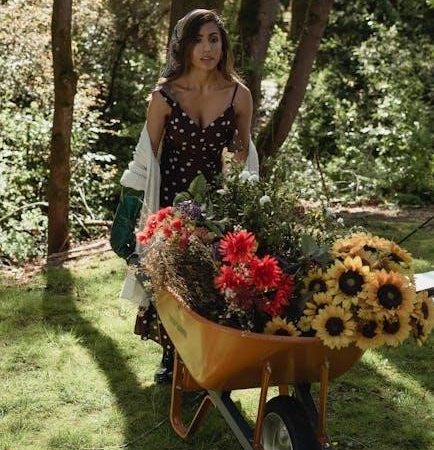
Zone 8 offers a long growing season, ideal for a vibrant array of flowers, including perennials and annuals with extended bloom times, ensuring continuous color.
Understanding Zone 8
Zone 8 represents a temperate climate characterized by mild winters and warm summers, creating a favorable environment for a diverse range of flowers. This zone spans across various states, including parts of the Southeast, Pacific Northwest, and California. Gardeners in Zone 8 benefit from a lengthy growing season, allowing for multiple plantings and extended bloom times.
Understanding your specific microclimate within Zone 8 is crucial. Factors like elevation, proximity to water bodies, and sun exposure can influence plant performance. Successful gardening in this zone involves selecting flowers suited to these conditions, ensuring robust growth and abundant blooms throughout the year.
Average Temperatures in Zone 8
Zone 8 experiences average minimum winter temperatures ranging from 10°F to 20°F (-12.2°C to -6.7°C). Summer highs typically reach between 80°F to 90°F (26.7°C to 32.2°C). These temperatures support a wide variety of flower species, but understanding fluctuations is key.
Consistent warmth encourages prolonged bloom times for many perennials and annuals. However, occasional heat waves may require supplemental watering and shade for sensitive flowers. Monitoring temperature trends allows gardeners to proactively protect plants and optimize growing conditions. Selecting flowers tolerant of both mild winters and warm summers ensures a thriving garden throughout the year in Zone 8.
First and Last Frost Dates for Zone 8
Zone 8 generally experiences its last spring frost between February 15th and April 15th, varying based on specific location and microclimate. The first fall frost typically arrives between October 15th and November 30th. These dates are crucial for planning flower planting schedules.
Gardeners can extend the growing season by starting seeds indoors before the last frost and protecting tender flowers with coverings as the first frost approaches. Understanding these dates allows for maximizing bloom times and ensuring the survival of both annual and perennial flowers throughout the year in Zone 8.
Best Annual Flowers for Zone 8
Zone 8’s warm climate supports vibrant annuals like marigolds, petunias, and zinnias, offering a long season of colorful blooms and easy garden enjoyment.
Marigolds: Planting and Care
Marigolds thrive in Zone 8, bringing cheerful color from spring through the first frost. Direct sowing is possible after the last frost, or start seeds indoors 6-8 weeks prior. They prefer full sun, requiring at least six hours of direct sunlight daily for optimal bloom production.
Soil should be well-drained; marigolds aren’t fond of soggy conditions. Regular watering is crucial, especially during dry spells, but avoid overhead watering to prevent fungal diseases. Deadheading spent blooms encourages continuous flowering throughout the season.
These easy-care annuals are relatively pest-free and can even deter nematodes in the garden. With minimal effort, marigolds provide a vibrant and long-lasting display.
Petunias: Varieties and Bloom Times
Petunias flourish in Zone 8’s mild climate, offering a wide range of colors and forms. Grandiflora petunias boast large, showy blooms, while multiflora varieties produce abundant, smaller flowers. Wave petunias are known for their spreading habit, perfect for hanging baskets and containers.

Bloom times typically extend from spring until frost, especially with regular deadheading. Provide at least six hours of sunlight daily for prolific flowering. Well-drained soil is essential, and consistent moisture keeps them looking their best.
Fertilize weekly with a balanced liquid fertilizer to encourage vibrant color and continuous blooms throughout the long growing season in Zone 8.
Zinnias: A Colorful Addition
Zinnias are a fantastic, heat-tolerant choice for Zone 8 gardens, injecting bursts of vibrant color throughout the summer and into fall. Available in a spectrum of hues – from fiery reds and oranges to soft pastels – they attract butterflies and other pollinators.
Benary Giant and Lilliput varieties offer diverse sizes and forms. Zinnias prefer full sun and well-drained soil. Deadheading spent flowers encourages continuous blooming.
Direct sowing seeds after the last frost is effective, or start seeds indoors for an earlier display. Consistent watering is crucial, especially during dry spells, ensuring a long-lasting, colorful show in your garden.
Best Perennial Flowers for Zone 8
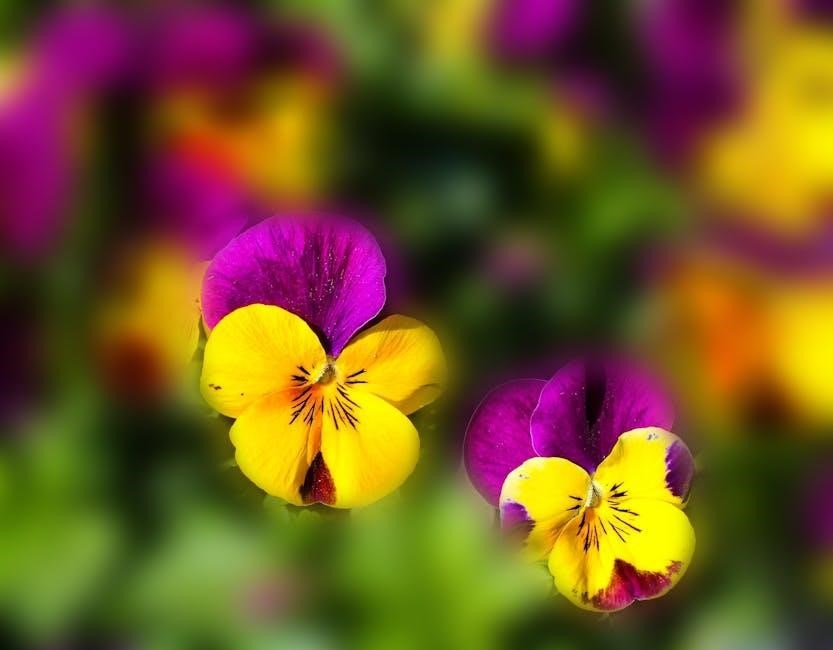
Zone 8’s mild winters support beautiful perennials like Shasta Daisies, Salvia, Dianthus, and Yarrow, offering returning blooms year after year for lasting garden beauty.
Shasta Daisies: Classic Beauty
Shasta Daisies (Leucanthemum × superbum) are beloved perennials, bringing a touch of classic charm to Zone 8 gardens. These cheerful flowers boast pristine white petals surrounding a bright yellow center, creating a timeless aesthetic. They thrive in full sun, requiring at least six hours of direct sunlight daily, and prefer well-drained soil.
Reaching heights of 2-3 feet, Shasta Daisies make excellent additions to borders, cottage gardens, or cut flower arrangements. Deadheading spent blooms encourages continued flowering throughout the growing season. They are relatively low-maintenance, offering reliable performance year after year. These daisies are known for their resilience and ability to attract pollinators like butterflies and bees, enhancing the garden’s ecosystem.
Salvia: Attracting Pollinators
Salvia, a diverse genus of flowering plants, is a magnet for pollinators in Zone 8 gardens. These vibrant blooms attract bees, butterflies, and hummingbirds, contributing to a thriving garden ecosystem. Many Salvia varieties offer extended bloom times, providing color throughout the growing season. They flourish in full sun but tolerate partial shade, adapting well to various garden conditions.
Available in a wide range of colors – including blue, purple, red, and white – Salvia adds visual interest to borders, containers, and wildflower meadows. Regular deadheading promotes continuous flowering. Salvia is also known for its drought tolerance once established, making it a sustainable choice for water-wise gardening.
Dianthus: Fragrant and Long-Blooming
Dianthus, often called Pinks, are beloved for their charming, fringed petals and delightful fragrance, making them a wonderful addition to Zone 8 gardens. These perennials offer a remarkably long bloom season, often extending from spring through fall with proper care. They thrive in full sun and well-drained soil, preferring slightly alkaline conditions.
Dianthus comes in a variety of colors, including pink, red, white, and bi-colors, adding versatility to garden designs. Deadheading spent flowers encourages continued blooming. They are relatively low-maintenance and attract butterflies, enhancing the garden’s biodiversity. Direct sowing or transplanting are both viable options for establishing Dianthus.
Yarrow: Drought-Tolerant Option
Yarrow (Achillea millefolium) stands out as an excellent choice for Zone 8 gardeners seeking a resilient and beautiful perennial. Highly drought-tolerant once established, Yarrow thrives in full sun and well-drained soil, making it ideal for drier landscapes. Its fern-like foliage and clusters of small, colorful flowers offer a cottage garden aesthetic.
Available in shades of yellow, white, pink, and red, Yarrow provides long-lasting blooms throughout the summer. It’s also a fantastic pollinator attractant, benefiting beneficial insects. Deadheading encourages continued flowering. Yarrow is easily propagated by division and is known for its medicinal properties, adding to its value.
Flowers with Extended Bloom Times
Knockout Roses and Salvia offer remarkable, continuous color in Zone 8, while consistent deadheading maximizes the flowering potential of many perennials.
Knockout Roses: Continuous Blooms
Knockout Roses are renowned for their exceptional disease resistance and, most importantly, their nearly continuous blooming throughout the growing season in Zone 8. Unlike many rose varieties that offer a single, spectacular flush of flowers, Knockout Roses repeatedly bloom from late spring until frost.
These shrub roses thrive in full sun, requiring at least six hours of direct sunlight daily for optimal flower production. They are relatively low-maintenance, needing only occasional pruning to maintain shape and encourage further blooms. Deadheading spent flowers isn’t strictly necessary, as they self-clean, but it can promote even more abundant flowering.
Available in a range of colors, including red, pink, and white, Knockout Roses add vibrant, long-lasting beauty to any Zone 8 garden. Their hardy nature makes them a perfect choice for both beginner and experienced gardeners seeking reliable, continuous color.
Salvia: Long Season Color
Salvia offers an exceptionally long season of color in Zone 8 gardens, attracting pollinators like bees and hummingbirds with its vibrant, nectar-rich blooms. Many Salvia varieties begin flowering in spring and continue well into fall, providing months of visual interest.
These versatile plants thrive in full sun but tolerate partial shade, making them adaptable to various garden locations. Salvia is also known for its drought tolerance once established, requiring minimal watering. Deadheading spent flower spikes encourages continued blooming and prevents self-seeding.
With a wide range of colors, heights, and textures, Salvia provides endless possibilities for garden design. From the towering Salvia nemorosa to the trailing Salvia greggii, there’s a Salvia to suit every Zone 8 landscape.
Deadheading for Continuous Blooms

Deadheading – removing spent flower blossoms – is a crucial practice for encouraging continuous blooms throughout the growing season in Zone 8 gardens. This simple technique redirects the plant’s energy away from seed production and back into generating new flowers, extending the flowering period significantly.
Regular deadheading not only promotes more blooms but also maintains a tidier appearance. Use clean pruning shears or scissors to snip off faded flowers just below the flower head or at a leaf node. For some perennials, a more substantial cut back after the first flush of blooms can stimulate a second, often more abundant, flowering.
Consistent deadheading ensures a vibrant and colorful garden throughout the warmer months in Zone 8.

Planting Times for Zone 8 Flowers
Zone 8 allows for both spring and fall planting, offering flexibility for annuals and perennials to establish roots before extreme temperatures arrive.
Spring Planting Guide
Spring in Zone 8 presents an excellent opportunity to establish warmth-loving annuals and perennials. After the last frost – typically around mid-April – direct sow seeds like marigolds and zinnias for a vibrant summer display. Alternatively, transplant seedlings of petunias and salvia for quicker blooms.
Focus on soil preparation, ensuring good drainage and incorporating compost for enriched growth. This is also a prime time for planting roses, like the Knockout variety, known for continuous blooming. Remember to space plants adequately to allow for mature size and air circulation, preventing disease. Consistent watering is crucial during the initial establishment phase, especially during warmer spells.
Fall Planting Guide
Fall planting in Zone 8 allows plants to develop root systems before the summer heat, leading to robust spring growth. Focus on perennials like dianthus and shasta daisies, providing them ample time to settle before winter. Bulbs such as daffodils and tulips also thrive with fall planting, offering early spring color.
Amend the soil with compost and ensure good drainage. While temperatures are milder, consistent moisture is still important. This is a good time to plant the first layer of continuous bloomers, like certain salvia varieties. Mulching after planting helps insulate roots and retain moisture throughout the cooler months, setting the stage for a beautiful floral display.

Soil Preparation and Considerations
Zone 8 flowers flourish in well-draining soil, enriched with compost, and a slightly acidic to neutral pH between 6.0 and 7.0 for optimal nutrient absorption.
Soil pH for Optimal Growth
Maintaining the correct soil pH is crucial for Zone 8 flower gardens, directly impacting nutrient availability. Most flowering plants thrive in a slightly acidic to neutral range, ideally between 6.0 and 7.0. A pH outside this range can lock out essential nutrients, even if they are present in the soil.
Testing your soil pH is a simple process using readily available home test kits or by sending a sample to a local agricultural extension office. If your soil is too acidic, adding lime will raise the pH. Conversely, sulfur can lower the pH if it’s too alkaline. Regular monitoring ensures your flowers can efficiently absorb the nutrients they need for robust growth and abundant blooms throughout the season.
Drainage Requirements
Proper drainage is paramount for healthy flower growth in Zone 8, preventing root rot and fostering strong plant development. While many flowers appreciate consistent moisture, soggy soil quickly leads to fungal diseases and ultimately, plant decline. Assess your garden’s drainage by observing how quickly water dissipates after rainfall.
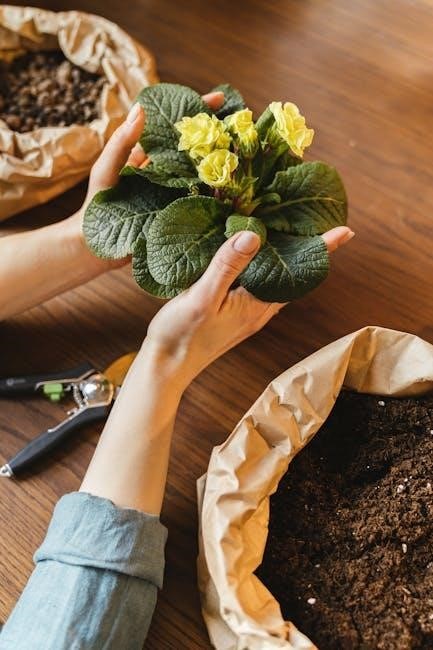
Improving drainage can involve amending heavy clay soils with organic matter like compost or well-rotted manure. Raised beds are an excellent solution for areas with persistently poor drainage. Ensure planting holes aren’t becoming waterlogged. Good drainage allows roots to access oxygen, vital for nutrient uptake and supporting vibrant blooms throughout the season.
Sunlight Requirements for Zone 8 Flowers
Zone 8’s sunny climate supports diverse flowers, but understanding light needs is crucial; some thrive in full sun, while others prefer partial shade for optimal blooms.
Full Sun Flowers
Full sun flowers flourish with at least six to eight hours of direct sunlight daily, making them perfect for Zone 8’s warm climate. Marigolds, Zinnias, and Knockout Roses are excellent choices, delivering vibrant color throughout the growing season.
Petunias also thrive in full sun, offering a cascade of blooms. Shasta Daisies, known for their classic beauty, require ample sunlight to produce abundant flowers. Salvia, attracting pollinators, benefits greatly from full sun exposure, enhancing its long bloom time.
Yarrow, a drought-tolerant option, also prefers full sun, showcasing its cheerful blooms. These sun-loving varieties ensure a spectacular display in your Zone 8 garden, providing continuous color and visual interest.
Partial Shade Flowers
Partial shade flowers thrive with four to six hours of sunlight, often benefiting from afternoon shade in Zone 8’s warmer temperatures. Dianthus, known for its fragrance and long-blooming nature, performs well in these conditions. Foamflower (Tiarella) and Bergenia are also suitable, offering delicate blooms and attractive foliage.
Certain Petunia varieties can tolerate partial shade, though bloom intensity may vary. Salvia can adapt, providing color even with reduced sunlight. These plants offer a beautiful alternative for gardens with limited full sun exposure.
Selecting partial shade varieties ensures a vibrant display even in less sunny areas of your Zone 8 garden, maximizing floral enjoyment throughout the growing season.

Watering and Fertilizing
Flowers in Zone 8 generally need consistent moisture, especially during warmer months; regular fertilization supports abundant blooms and healthy growth throughout the season.
Watering Schedules
Flowers in Zone 8 benefit from a consistent watering routine, adapting to seasonal changes. During the warmer spring and summer months, aim for deep watering 2-3 times per week, ensuring the soil remains consistently moist but not waterlogged. Monitor rainfall and adjust accordingly; less frequent watering is needed during periods of rain.
As temperatures cool in the fall, reduce watering frequency to once a week, and even less during the winter months, especially for dormant perennials. Newly planted flowers require more frequent watering to establish strong root systems. Mulching around plants helps retain moisture and regulate soil temperature, reducing the need for frequent watering. Always water at the base of the plant to avoid wetting the foliage, which can encourage fungal diseases.
Fertilizer Recommendations
Zone 8 flowers thrive with regular fertilization, promoting robust growth and abundant blooms. A balanced, slow-release fertilizer (10-10-10) applied in the spring provides essential nutrients throughout the growing season. For heavy feeders like roses and petunias, supplement with a bloom-boosting fertilizer higher in phosphorus (the middle number) every 4-6 weeks.
Organic options, such as compost or well-rotted manure, improve soil health and provide a sustained release of nutrients. Avoid over-fertilizing, as this can lead to excessive foliage growth at the expense of flowers. Always follow package instructions and water thoroughly after application. Consider a soil test to determine specific nutrient deficiencies and tailor your fertilizer plan accordingly for optimal flower performance.