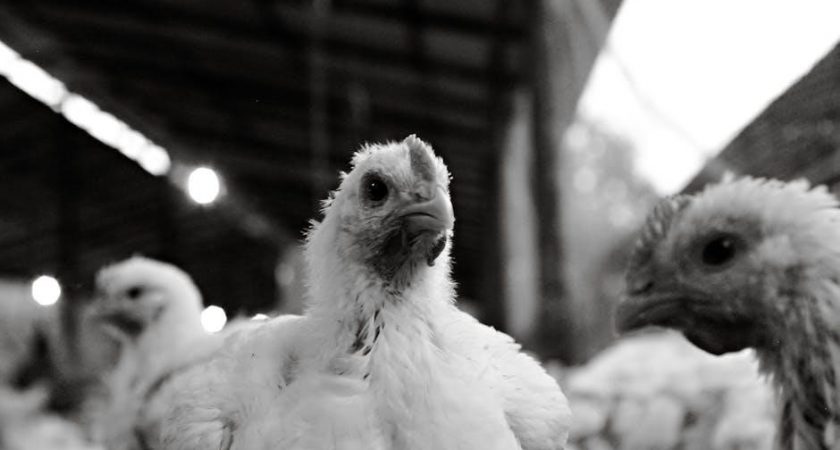
Proper nutrition is paramount for layer chickens‚ impacting egg production and overall health; a downloadable guide (PDF) assists in managing feed and maximizing flock performance․
Importance of Proper Nutrition
Optimal nutrition is absolutely fundamental to the success of any layer chicken operation․ It directly influences not only the quantity of eggs produced‚ but also the quality of the eggshell‚ ensuring fewer cracks and losses․ A well-nourished hen exhibits improved overall health‚ demonstrating greater resistance to disease and a longer productive lifespan․
Insufficient or imbalanced feeding leads to reduced egg size‚ thinner shells‚ and decreased egg production rates․ Providing the correct balance of protein‚ calcium‚ and essential vitamins and minerals is non-negotiable․ A comprehensive layer feeding guide (PDF) is invaluable‚ offering detailed insights into the specific nutritional needs of chickens at each stage of development – from chicks to laying hens․
Ignoring these nutritional requirements will inevitably result in economic losses and a less efficient flock․ Prioritizing proper nutrition is‚ therefore‚ a cornerstone of profitable and sustainable poultry farming․
Understanding Nutrient Requirements
Layer chickens have distinct nutritional needs that evolve throughout their lives․ Initially‚ protein is crucial for growth and feather development․ As they approach laying age‚ the demand for calcium dramatically increases – approximately 1․9g is exported daily for eggshell formation․ A standard developer diet typically provides only 0․9g‚ highlighting the need for supplementation․
Beyond these key nutrients‚ vitamins and minerals play vital roles in metabolic processes‚ immune function‚ and overall health․ A detailed layer feeding guide (PDF) outlines these requirements precisely‚ specifying the percentage of each nutrient needed at different stages – starter‚ grower‚ pre-layer‚ and layer․
Understanding these requirements isn’t simply about knowing what to feed‚ but how much․ The guide provides valuable data on daily and cumulative feed intake‚ ensuring birds receive adequate nutrition without overfeeding‚ which can lead to obesity and reduced egg production․
Key Nutrients for Layer Chickens
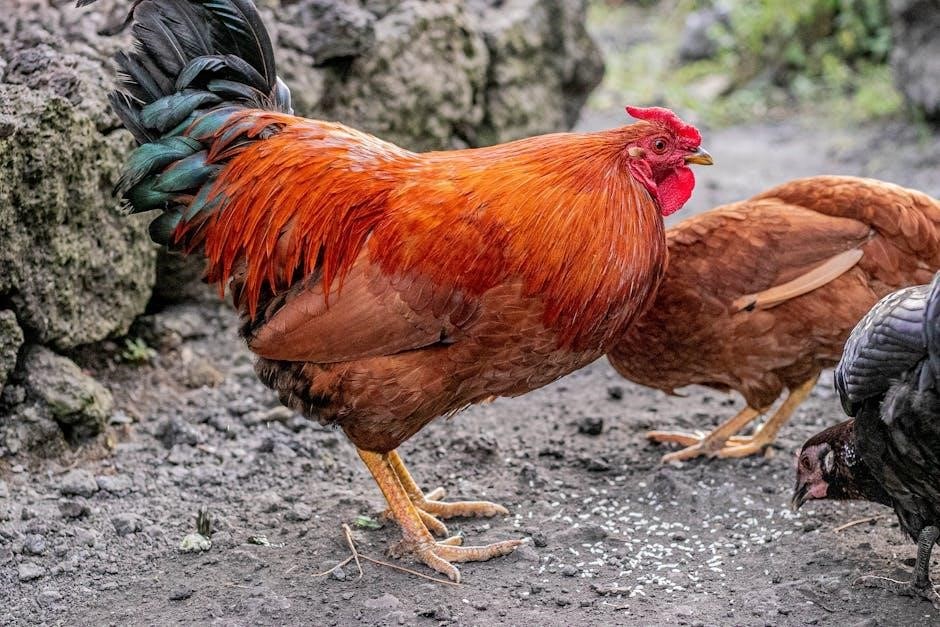
Protein fuels growth and egg production‚ while calcium builds strong eggshells; a layer feeding guide (PDF) details optimal levels for peak performance․
Protein: Building Blocks for Growth & Eggs
Protein is fundamentally crucial for chickens‚ serving as the cornerstone of their diet throughout all life stages․ It’s not merely about growth; protein actively contributes to maintaining muscle mass and fostering healthy feather development‚ ensuring a vibrant and protective plumage․ For laying hens‚ the role of protein becomes even more pronounced‚ directly impacting egg production․
The egg white and yolk are primarily composed of protein‚ meaning adequate intake is non-negotiable for consistent and plentiful egg laying․ Protein requirements fluctuate based on age and the hen’s current life stage – a detailed layer feeding guide (PDF) will outline these specific needs․ Insufficient protein leads to reduced egg size‚ lower production rates‚ and potentially‚ feather pecking due to nutritional deficiencies․ Therefore‚ carefully monitoring protein levels‚ as detailed in a comprehensive guide‚ is essential for a thriving flock․
Calcium: Essential for Eggshell Quality
Calcium is absolutely vital for laying hens‚ directly influencing the strength and quality of eggshells․ A hen’s body exports approximately 1․9 grams of calcium per egg‚ demanding a consistent and readily available supply in their diet․ Without sufficient calcium‚ hens will draw from their skeletal reserves‚ weakening bones and ultimately impacting their long-term health and productivity․
A layer feeding guide (PDF) will emphasize the importance of supplementing with sources like oyster shell‚ providing a coarse calcium source that aids in digestion․ When hens receive an average developer diet‚ only 0․9g of calcium is offered‚ highlighting the need for supplementation․ Starting a pre-layer diet two weeks before the first egg is expected‚ and continuing for up to two months of lay‚ ensures adequate calcium intake․ Consistent access to calcium is paramount for robust eggshell formation and overall hen well-being․
Layer Chicken Feeding Stages
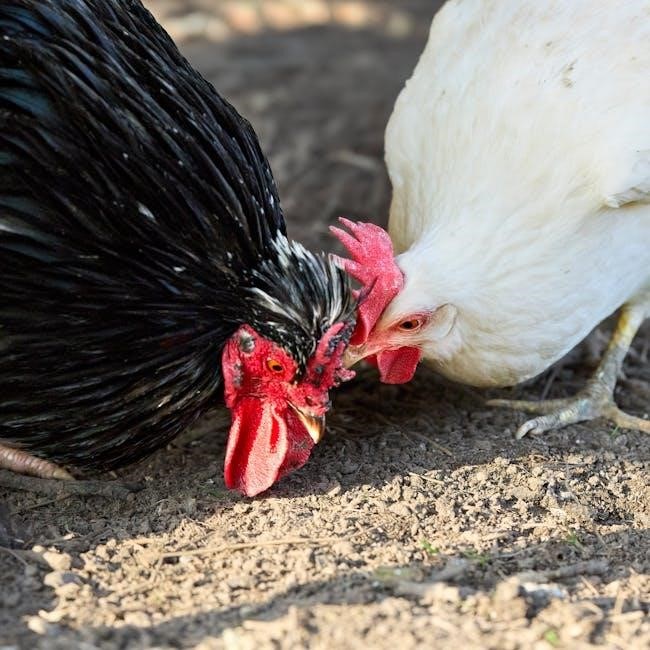
A layer feeding guide (PDF) details crucial stages – starter‚ grower‚ pre-layer‚ and layer – each requiring specific nutritional adjustments for optimal flock performance․
Starter Feed (0-6 Weeks)
During the initial 0-6 week period‚ chicks require a high-protein starter feed‚ typically around 20-24%‚ to support rapid growth and development․ A comprehensive layer feeding guide (PDF) emphasizes the importance of finely ground feed for easy digestion in young chicks․ This stage focuses on building a strong foundation for future egg production․
The starter feed should also contain essential vitamins and minerals‚ including Vitamin D for calcium absorption and Vitamin A for immune function․ Ensure the chicks have constant access to fresh‚ clean water alongside the feed․ The PDF guide will outline specific feeding amounts based on the number of chicks‚ typically starting with small portions and gradually increasing as they grow․ Monitoring chick weight gain is crucial during this phase‚ indicating the effectiveness of the feeding program․ Avoid introducing grit during this stage‚ as their digestive systems are still developing․
Grower Feed (7-18 Weeks)
As pullets transition from 7 to 18 weeks‚ they require a grower feed with a slightly reduced protein content‚ around 16-18%‚ to support continued growth without excessive weight gain․ A detailed layer feeding guide (PDF) will specify the precise protein levels needed for optimal development․ This phase prepares the birds for the demands of egg production․
The grower feed should still include essential vitamins and minerals‚ but calcium levels remain relatively low to prevent premature egg laying․ The PDF guide will detail the gradual increase in feed quantity as the pullets mature․ Monitoring their body condition is vital; they should be gaining weight steadily but not becoming overly fat․ Introducing grit at around 12-14 weeks aids in digestion as their gizzard develops․ Proper management during this stage ensures healthy‚ productive layers․
Pre-Layer Feed (16-20 Weeks)
The pre-layer phase‚ spanning 16 to 20 weeks‚ is critical for preparing hens for egg production․ This feed gradually increases calcium levels‚ typically to around 3-4%‚ to build calcium reserves in the bones – essential for strong eggshells․ A comprehensive layer feeding guide (PDF) outlines the precise calcium supplementation schedule․
Starting the pre-layer diet two weeks before the first egg is expected is a safe strategy‚ continuing for up to two weeks into lay․ During the start of lay‚ calcium export for each egg is approximately 1․9g‚ while a standard developer diet offers only 0․9g․ The PDF guide emphasizes the importance of this transition․ Maintaining adequate protein levels (around 16%) supports continued growth and prepares the reproductive system․ Careful monitoring ensures hens enter lay in optimal condition․
Layer Feed (18+ Weeks)
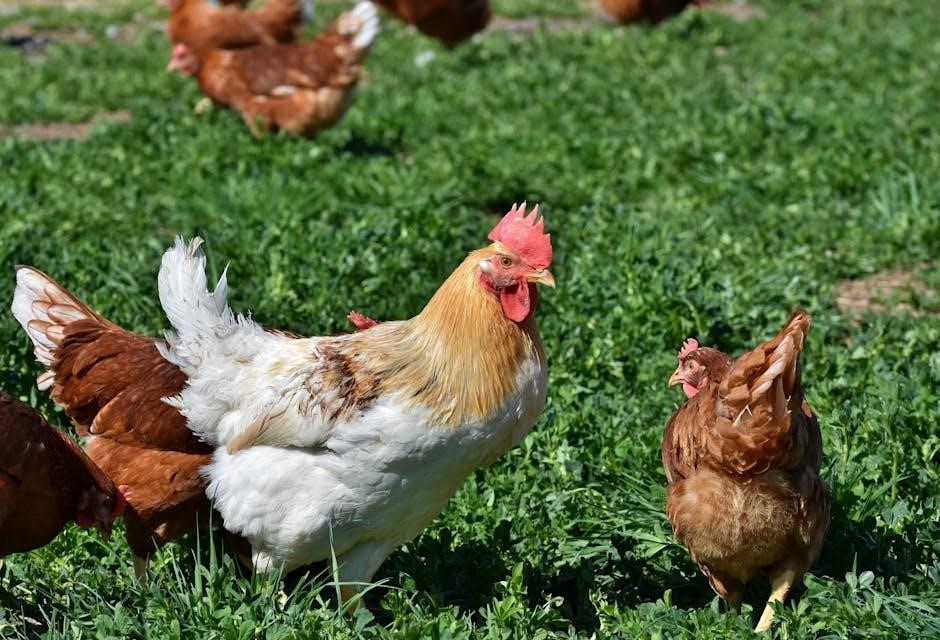
Once hens reach 18 weeks and begin laying‚ switching to a complete layer feed is crucial for sustained egg production; This feed typically contains 16-18% protein and a higher calcium content (around 3․5-4%) to support continuous eggshell formation․ A detailed layer feeding guide (PDF) provides specific formulation recommendations․
Laying hens require at least one cup of complete layer feed daily to maintain consistent output․ Supplementation with coarse oyster shell is vital‚ providing readily available calcium․ The PDF guide stresses the importance of free access to oyster shell‚ allowing hens to self-regulate their calcium intake․ Consistent feed quality and adequate consumption are key to maximizing egg production and shell strength throughout the laying cycle․ Proper management‚ as detailed in the downloadable resource‚ ensures optimal flock health and productivity․
Daily & Cumulative Feed Intake
A detailed feed chart‚ available in the layer feeding guide (PDF)‚ outlines daily and cumulative intake from day one to 126‚ reaching 6․5-6․7 kg by week 18․
Feed Chart Overview (Day 1 ⎼ 126)
The comprehensive feed chart‚ included within the downloadable layer feeding guide (PDF)‚ provides a week-by-week breakdown of essential feed intake for optimal growth and egg production․ This chart meticulously details both the minimum and maximum feed allowances per bird‚ ensuring each chicken receives adequate nourishment throughout its developmental stages․
Starting from day one‚ the chart illustrates a gradual increase in feed consumption as the chicks mature․ By the 18th week‚ the cumulative feed requirement reaches approximately 6․5 to 6․7 kilograms per bird; This progressive feeding schedule is crucial for supporting healthy muscle development‚ robust feather growth‚ and‚ ultimately‚ consistent and high-quality egg laying․
The layer feeding guide (PDF)’s chart serves as an invaluable tool for poultry farmers‚ enabling them to proactively manage their flock’s nutritional needs and maximize overall productivity․ It’s a practical resource for maintaining a thriving and efficient layer operation․
Minimum & Maximum Feed Intake per Bird
The downloadable layer feeding guide (PDF) meticulously outlines the varying feed intake requirements per bird‚ specifying both minimum and maximum allowances on a weekly basis․ This detailed approach acknowledges individual variations within a flock and allows for tailored nutritional management․
Understanding these ranges is crucial; consistently providing feed below the minimum can stunt growth and reduce egg production‚ while exceeding the maximum can lead to obesity and related health issues․ The PDF guide presents this data clearly‚ enabling farmers to monitor consumption and adjust feeding strategies accordingly․
The chart within the layer feeding guide (PDF) is designed to be a practical tool‚ helping ensure each bird receives the optimal amount of feed to thrive․ It’s a cornerstone of responsible poultry management‚ promoting both bird welfare and economic efficiency․

Supplementation for Layer Chickens
Essential supplements‚ like oyster shell for calcium‚ and vitamins/minerals‚ enhance layer health and egg quality; the PDF guide details optimal supplementation strategies․
Oyster Shell: Calcium Supplementation
Calcium is critically important for laying hens‚ directly influencing eggshell quality and strength․ As hens begin laying‚ their calcium export to egg production significantly increases – around 1․9g per egg․ Standard developer diets often provide insufficient calcium‚ typically only 0․9g․ This gap necessitates supplementation‚ and oyster shell is a readily available and effective solution․
Oyster shell provides a coarse calcium source that isn’t absorbed as quickly as finely ground limestone‚ allowing it to reach the shell gland when needed most․ Hens intuitively regulate their intake‚ consuming more when calcium demands are higher․ The layer feeding guide (PDF) emphasizes offering free-choice oyster shell‚ ensuring hens can meet their individual calcium requirements․ Consistent access to oyster shell supports robust eggshell formation‚ reducing cracks and improving overall egg marketability․ It’s a simple yet vital component of a successful layer feeding program․
Additional Supplements (Vitamins & Minerals)
While a complete layer feed provides a foundation of essential nutrients‚ supplementation with vitamins and minerals can further optimize flock health and productivity․ The layer feeding guide (PDF) highlights the importance of addressing potential deficiencies‚ particularly during periods of stress or rapid growth․
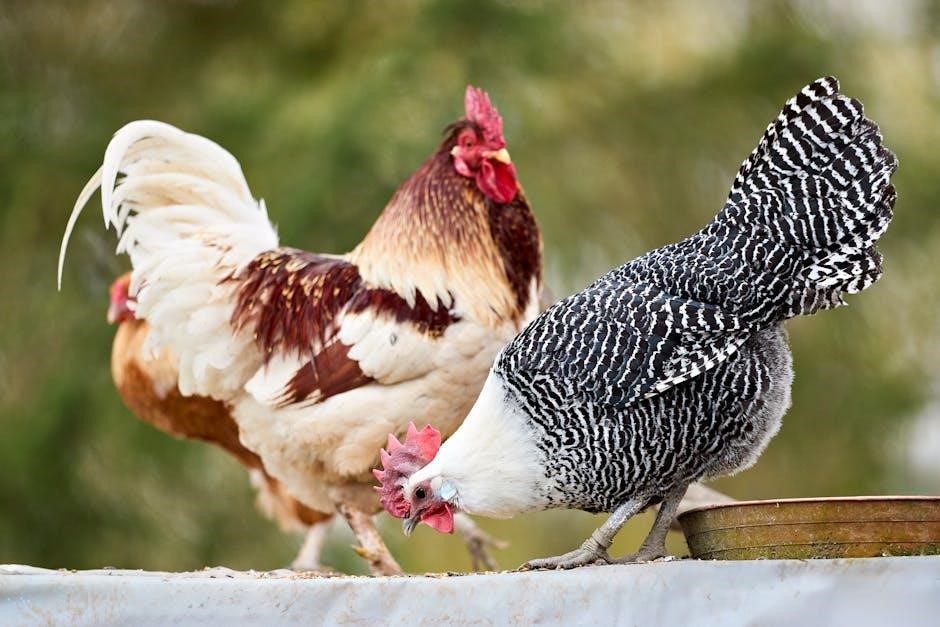
Specific vitamins‚ like Vitamin D3‚ aid in calcium absorption‚ complementing oyster shell supplementation․ Trace minerals‚ such as manganese‚ zinc‚ and copper‚ contribute to enzyme function and immune response․ These additions can improve egg quality‚ enhance feathering‚ and bolster resistance to disease․ Careful consideration should be given to the specific needs of your flock‚ factoring in breed‚ age‚ and environmental conditions․ Over-supplementation can be detrimental‚ so following recommended dosages outlined in the guide is crucial for maintaining a balanced and healthy diet․

Managing Feed Requirements
Optimizing flock performance relies on understanding nutritional needs; the layer feeding guide (PDF) provides tools for efficient feed management and maximizing egg production․
Optimizing Flock Performance
Achieving peak performance from your layer chickens hinges on meticulous feed management‚ and a comprehensive layer feeding guide (PDF) is an invaluable resource․ This guide details crucial aspects like daily and cumulative feed intake‚ ensuring each bird receives adequate nutrition throughout its lifecycle․
Consistent monitoring of feed consumption‚ alongside understanding minimum and maximum intake levels – as outlined in the guide – allows for early detection of potential health issues or nutritional deficiencies․ Proper calcium supplementation‚ particularly with oyster shell‚ is vital for robust eggshell quality․
Furthermore‚ the guide emphasizes the importance of transitioning between feed stages (starter‚ grower‚ pre-layer‚ layer) at the correct times to meet evolving nutrient requirements․ By diligently following the recommendations within the PDF‚ you can significantly enhance egg production‚ improve flock health‚ and ultimately‚ maximize your return on investment․
Downloadable Layer Feeding Guide (PDF)
Streamline your layer chicken management with our comprehensive Layer Feeding Guide (PDF)! This essential resource provides a detailed roadmap for optimal nutrition‚ covering every stage from chick to laying hen․ Inside‚ you’ll find a precise feed chart outlining daily and cumulative intake from day one through 126 days‚ specifying minimum and maximum requirements per bird․
The guide simplifies complex nutritional needs‚ detailing protein and calcium requirements crucial for both growth and eggshell quality․ Learn when to transition between starter‚ grower‚ pre-layer‚ and layer feeds for seamless development․
Download the PDF now to access practical advice on supplementation‚ including oyster shell usage‚ and strategies for optimizing flock performance․ Ensure your hens receive the perfect balance of nutrients for consistent‚ high-quality egg production and overall well-being․