
Golf Shaft Flex Guide: A Comprehensive Overview (Updated 03/26/2026)
Understanding golf shaft flex is crucial for optimizing performance, as the correct flex delivers maximum clubhead speed and control during your swing, enhancing distance.
Golf shaft flex represents the amount a shaft bends during a swing, profoundly impacting ball flight and overall performance. It’s a frequently misunderstood aspect of club fitting, yet critically important for golfers of all skill levels. The ideal flex allows the shaft to “unload” at the correct point in the downswing, maximizing clubhead speed and delivering optimal energy transfer to the ball.
Many golfers unknowingly play with incorrect flexes, often due to habit or a lack of understanding. This can lead to inconsistencies, reduced distance, and difficulty controlling the ball. Determining the right flex isn’t simply about selecting a “Stiff” or “Regular” designation; it requires considering swing speed, clubhead speed, and individual player characteristics. Modern fitting emphasizes personalized assessment over relying on generic flex labels, as these designations lack standardized regulation.
This guide will delve into the nuances of shaft flex, exploring terminology, influencing factors, material types, and methods for finding your perfect match.
What is Golf Shaft Flex?
Golf shaft flex is fundamentally the degree to which a golf club shaft bends during the swing. It’s not a static property, but rather a dynamic response to the forces applied throughout the swing arc. As a golfer initiates the backswing and then transitions into the downswing, the shaft flexes, storing energy like a spring.
This bending action is crucial; it allows the shaft to load and then release energy at impact, contributing significantly to clubhead speed. A shaft’s flex isn’t simply about “whipping” – it’s about controlled deformation that optimizes energy transfer. The extent of this bend is influenced by factors like shaft material (graphite, steel, or composite), shaft length, and the golfer’s swing characteristics.
Ultimately, shaft flex dictates how the club feels and performs, impacting launch angle, spin rate, and overall shot trajectory. It’s the interplay between shaft flex and swing mechanics that determines the efficiency of power delivery.
The Importance of Correct Shaft Flex
Selecting the correct golf shaft flex is paramount for maximizing a golfer’s potential. A properly matched shaft allows for optimal energy transfer, resulting in increased clubhead speed and, consequently, greater distance. However, playing with an incorrect flex can severely hinder performance.
If a shaft is too stiff for a golfer’s swing, it can lead to a loss of feel and control, making it difficult to consistently square the clubface at impact. Conversely, a shaft that is too flexible can cause excessive bending and twisting, leading to inconsistent shots and a loss of accuracy.
Finding the right flex isn’t merely about hitting the ball further; it’s about achieving consistent, repeatable results and enjoying the game more fully. It’s a foundational element of a well-fitted golf club, directly impacting ball flight and overall scoring potential.

Understanding Shaft Flex Terminology
Golf shaft flex is described using terms like Ladies, Senior, Regular, Stiff, and Extra Stiff, though these designations lack standardization and can vary between manufacturers.
Standard Flex Designations: Ladies, Senior, Regular, Stiff, Extra Stiff
Traditionally, golf shafts are categorized using a standard flex designation system, offering golfers a general guideline for selection. These categories include Ladies, Senior, Regular, Stiff, and Extra Stiff. However, it’s vital to understand that these labels are not universally regulated, leading to inconsistencies between different manufacturers. What one brand considers a “Stiff” flex might feel significantly different from another’s.
Ladies flex is designed for golfers with slower swing speeds, typically those generating less than 60 mph of clubhead speed. Senior flex caters to those with swing speeds between 60-75 mph, offering more forgiveness. Regular flex is the most common, suited for swing speeds of 75-90 mph. Stiff flex is generally preferred by golfers with swing speeds exceeding 90 mph, promoting greater control and precision. Finally, Extra Stiff flex is reserved for players with very fast swing speeds, often exceeding 105 mph, demanding maximum control and minimizing shaft deflection.
The Irrelevance of Standard Flex Letters
Despite the prevalence of standard flex designations – Ladies, Senior, Regular, Stiff, and Extra Stiff – experts emphasize their limited practical value. There’s a significant lack of regulation governing what constitutes each flex level, meaning a “Stiff” shaft from one manufacturer can drastically differ from another’s interpretation. This inconsistency makes relying solely on these letters a flawed approach to shaft selection.
Kris McCormack, VP of Tour and Education at True Spec, highlights this issue, stating there’s no standardized measurement for these flexes. Therefore, golfers shouldn’t base their decisions on these labels alone. A proper club fitting, focusing on measurable data like swing speed and dynamic loft, provides a far more accurate assessment of the ideal shaft flex for an individual’s swing. Ignoring this and relying on letters can lead to suboptimal performance and hinder improvement.
Measuring Shaft Flex: CPM (Cycles Per Minute)
CPM, or Cycles Per Minute, offers a quantifiable method for assessing golf shaft flex, providing a more objective measure than relying on subjective “flex” designations. This measurement determines how many times a shaft bends during a swing, indicating its stiffness or flexibility. A higher CPM value signifies a stiffer shaft, while a lower CPM indicates a more flexible one.
While CPM isn’t a perfect system, it provides a valuable starting point for understanding shaft characteristics. Club fitters utilize CPM to compare shafts from different manufacturers and identify options that align with a golfer’s swing speed and desired ball flight. However, it’s crucial to remember that CPM is just one piece of the puzzle; other factors, like shaft weight and kick point, also influence performance. A comprehensive fitting considers all these elements for optimal results.

Factors Influencing Shaft Flex Choice
Selecting the appropriate shaft flex hinges on swing speed, clubhead speed, and player skill; a proper match maximizes clubhead speed and delivers optimal shot control.
Swing Speed and Shaft Flex Correlation
The relationship between swing speed and shaft flex is fundamental to achieving optimal performance on the golf course. A shaft’s flex, essentially its bending resistance during a swing, must align with a player’s swing speed to facilitate proper energy transfer. Faster swing speeds generally require stiffer shafts to prevent excessive bending and maintain control, while slower swing speeds benefit from more flexible shafts that aid in loading and releasing energy.
If a shaft is too stiff for a given swing speed, the player may struggle to load the shaft properly, resulting in a loss of power and inconsistent contact. Conversely, a shaft that is too flexible can cause over-bending, leading to a loss of control and accuracy. Finding the right balance ensures the shaft “unloads” at the correct point in the downswing, maximizing clubhead speed and delivering the most efficient power transfer to the ball. This correlation is a cornerstone of club fitting and performance optimization.
Clubhead Speed and its Impact
Clubhead speed, a direct result of swing speed and efficient energy transfer, profoundly impacts the ideal golf shaft flex. Higher clubhead speeds demand stiffer shafts to maintain stability and prevent the shaft from collapsing or twisting during impact. This stability is crucial for consistent ball striking and directional control, especially with drivers and fairway woods where speed is paramount.
Conversely, lower clubhead speeds benefit from more flexible shafts. These shafts assist in generating sufficient clubhead speed by storing and releasing energy during the swing, effectively “launching” the clubhead. A shaft that’s too stiff for a slower clubhead speed can feel boardy and unresponsive, hindering distance and feel. Matching shaft flex to clubhead speed is therefore vital for maximizing both distance and accuracy, ensuring the golfer can consistently deliver the clubhead square to the ball.
Player Skill Level and Flex Selection
Golfers’ skill levels significantly influence optimal shaft flex choices. Beginners and high-handicap players generally benefit from more flexible shafts – like Regular or even Senior flex – as these assist in generating clubhead speed and provide more feel for the swing. The added flex helps compensate for inconsistencies in swing mechanics, promoting a higher launch and increased carry distance.
More experienced, low-handicap players, possessing greater swing control and consistency, typically require stiffer shafts – Stiff or Extra Stiff. These shafts offer enhanced stability and precision, minimizing unwanted shaft flex and maximizing energy transfer at impact. This translates to improved ball control, workability, and overall accuracy. It’s important to note that feel and personal preference also play a role, but skill level provides a strong starting point for flex selection.

Types of Golf Shaft Materials & Flex
Golf shafts come in graphite, steel, and composite materials, each offering unique flex characteristics impacting performance and feel during the golf swing.
Graphite Shafts: Characteristics and Uses
Graphite shafts are a popular choice, particularly in drivers and fairway woods, due to their lightweight nature and ability to enhance clubhead speed. This lighter weight allows golfers, especially those with moderate swing speeds, to achieve greater distance. Graphite offers excellent vibration dampening, providing a smoother feel at impact, reducing fatigue during rounds.
However, graphite shafts generally possess a lower torque compared to steel, meaning they can twist more during the swing. This can be beneficial for players seeking a more forgiving feel, but may require more control from skilled golfers. The flex range in graphite is extensive, catering to various swing speeds and player preferences. Manufacturers utilize different graphite grades and layering techniques to fine-tune shaft characteristics, offering options from very flexible to extra stiff. Ultimately, graphite shafts prioritize distance and feel, making them a favored option for many golfers seeking performance gains.
Steel Shafts: Characteristics and Uses
Steel shafts have long been a staple in golf, renowned for their durability, consistency, and affordability. They generally offer greater control and precision compared to graphite, making them a preferred choice for skilled players who prioritize accuracy and shot shaping. Steel shafts tend to have lower torque than graphite, resisting twisting during the swing, which translates to more predictable ball flights.
While heavier than graphite, steel provides a substantial feel and feedback, allowing golfers to better understand the dynamics of their swing. They are commonly found in irons and wedges, where precision and control are paramount. Different steel alloys and manufacturing processes influence shaft weight, flex, and feel. Steel shafts are available in a wide range of flexes, catering to diverse swing speeds and player preferences, offering a reliable and consistent performance option for golfers of all levels.
Composite Shafts: Combining Steel and Graphite Benefits
Composite golf shafts represent an innovative fusion of steel and graphite technologies, aiming to deliver the best attributes of both materials. These shafts typically feature a graphite core for lightweight properties and vibration dampening, coupled with a steel outer layer for enhanced strength and stability. This construction seeks to provide the feel and control associated with steel, while simultaneously offering increased clubhead speed potential similar to graphite.
Composite shafts are designed to minimize torsional twisting during the swing, promoting consistent ball flights and improved accuracy. They often appeal to golfers seeking a balance between distance, feel, and control, offering a versatile option for various club types. The specific blend of materials and construction techniques can vary, influencing the shaft’s weight, flex profile, and overall performance characteristics, making them a compelling choice for players seeking a refined playing experience;

Shaft Flex by Club Type
Different clubs require varying shaft flexes; drivers benefit from more flex, irons need stability, and wedges are trending towards softer flexes for enhanced control.
Driver Shaft Flex Recommendations
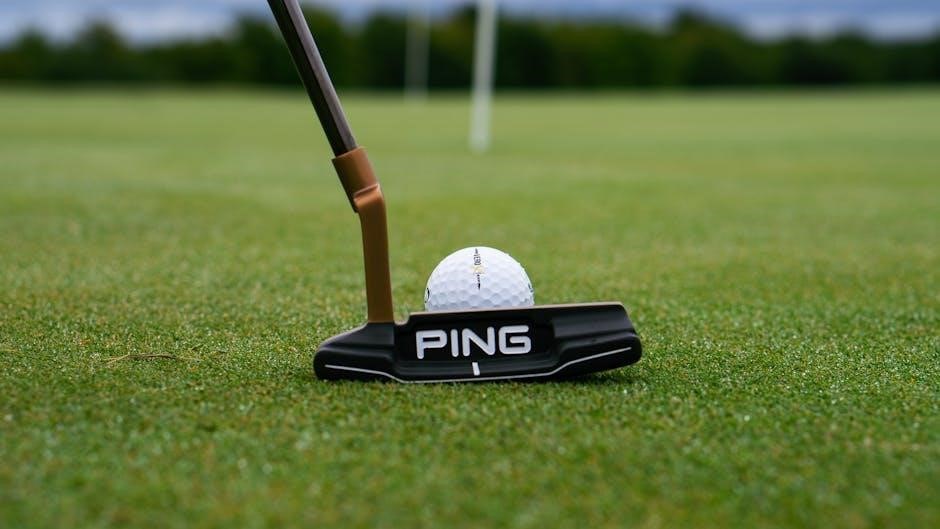
Selecting the appropriate driver shaft flex is paramount for maximizing distance and forgiveness off the tee. Generally, golfers with slower swing speeds – typically those averaging under 90 mph – will benefit from a more flexible shaft, such as Regular or even Senior flex. These shafts facilitate easier loading and unloading, promoting a higher launch angle and increased carry.
Players with moderate swing speeds (90-105 mph) usually find success with Regular or Stiff flex shafts, offering a balance of control and power. Faster swing speeds, exceeding 105 mph, demand stiffer shafts – Stiff, Extra Stiff, or even X-Stiff – to prevent excessive shaft bending and maintain accuracy. It’s important to remember that these are guidelines; a proper club fitting is essential to determine the optimal flex for your individual swing characteristics. Ignoring this can lead to lost distance and inconsistent ball flights.
Iron Shaft Flex Recommendations
Iron shaft flex selection differs from drivers, prioritizing control and accuracy over sheer distance. Generally, slower swing speeds (under 80 mph) pair well with Regular or even Senior flex irons, aiding in launching the ball and achieving adequate carry. Moderate swing speeds (80-95 mph) typically benefit from Stiff flex, providing a more controlled feel and improved precision.
Faster swing speeds (95 mph and above) often require Extra Stiff or X-Stiff flexes to minimize shaft bending and maintain consistent ball striking. However, it’s crucial to consider that iron flex isn’t solely dictated by swing speed; factors like launch angle preference and desired ball flight also play a role. A professional club fitting is highly recommended to pinpoint the ideal iron shaft flex for your unique swing and optimize performance across your iron set.
Wedge Shaft Flex: The Trend Towards Softer Flexes
A notable trend among professional golfers is the increasing adoption of slightly softer shaft flexes in their wedges. This isn’t about maximizing distance, but rather enhancing feel and control around the greens. Softer flexes promote a higher launch angle and increased spin, allowing for more precise shot-making and stopping power on the green.
Traditionally, wedges were often paired with stiffer shafts for control, but players are discovering that a softer flex allows for greater manipulation of the clubface and a more responsive feel during the short game. This is particularly beneficial for shots requiring finesse, such as lob shots and bump-and-runs. While not universally applicable, exploring a softer flex in your wedges could unlock improved short game performance.

Determining Your Ideal Shaft Flex
Accurately finding your ideal shaft flex requires a professional club fitting, or self-assessment through swing speed measurement, considering dynamic loft for optimal performance.
Professional Club Fitting: The Most Accurate Method
A professional club fitting represents the gold standard for determining your ideal shaft flex. Experienced fitters utilize advanced launch monitors and swing analysis tools to meticulously evaluate your swing characteristics, including clubhead speed, swing tempo, and angle of attack. This data-driven approach eliminates guesswork and provides a precise understanding of how a shaft bends and releases during your swing.
Fitters will present you with a variety of shafts – differing in flex, material, and weight – allowing you to hit shots and observe the resulting ball flight. They’ll analyze launch angle, spin rate, and carry distance to identify the shaft that maximizes your efficiency and consistency. A skilled fitter doesn’t just focus on numbers; they also consider your feel and preferences, ensuring the chosen shaft feels comfortable and promotes a confident swing. This personalized approach is invaluable, as it accounts for the nuances of your individual swing that generic recommendations often miss.
Self-Assessment: Swing Speed Measurement
While a professional fitting is ideal, a self-assessment of your swing speed can provide a preliminary indication of appropriate shaft flex. Several methods exist, ranging from simple estimations to utilizing readily available technology. One approach involves observing your typical shot distance with a driver; longer distances generally correlate with faster swing speeds, suggesting a stiffer shaft.
More accurately, swing speed can be measured using portable launch monitors or smartphone apps designed for golf. These devices provide numerical data, typically in miles per hour (mph), allowing you to categorize your swing speed. Generally, speeds under 85 mph suggest a senior or regular flex, 85-95 mph a regular or stiff flex, and above 95 mph a stiff or extra stiff flex. Remember, this is a guideline; factors like tempo and release also influence optimal flex. Consistent measurement and comparison over time can refine your self-assessment.
Dynamic Loft and Shaft Flex Relationship
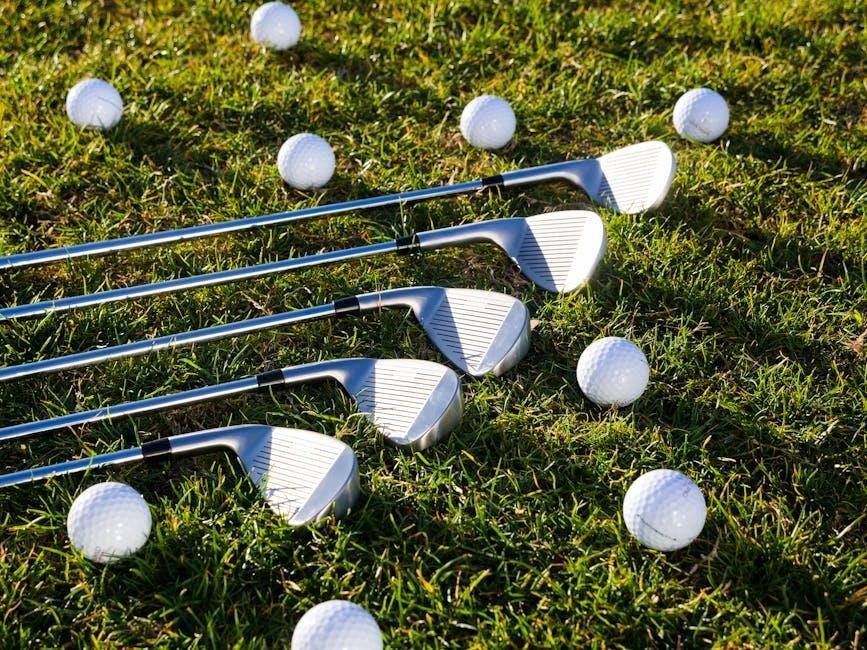
Dynamic loft, the loft of the clubface at impact, is profoundly influenced by shaft flex. A shaft that’s too stiff can restrict the clubhead’s ability to square up at impact, leading to lower dynamic loft and potentially a penetrating ball flight with reduced carry. Conversely, an overly flexible shaft may cause the clubface to close excessively, increasing dynamic loft and resulting in a higher, often weaker, shot.
The ideal scenario involves a shaft that allows the clubhead to naturally achieve the optimal dynamic loft for your swing. This ensures efficient energy transfer and consistent launch conditions. Players with faster swing speeds generally require stiffer shafts to control dynamic loft, while slower swing speeds benefit from more flexible shafts to promote adequate launch. Understanding this interplay is key to maximizing distance and accuracy.
Common Shaft Flex Issues & Solutions
Addressing incorrect flex involves recognizing symptoms like inconsistent shots or loss of distance; a proper club fitting can resolve these issues effectively.
Playing a Shaft That Is Too Stiff
When a golfer utilizes a shaft that is excessively stiff for their swing speed, several detrimental effects can manifest. The most common symptom is a noticeable difficulty in achieving a full release of the clubhead throughout the swing arc. This restriction leads to a loss of clubhead speed, directly impacting distance and overall power. Players often compensate by attempting to swing harder, which frequently results in over-the-top movements and inconsistent contact.
Furthermore, a shaft that’s too stiff can feel boardy and unresponsive, diminishing feel and control. This lack of feedback makes it challenging to consistently repeat a smooth, controlled swing. The golfer may experience a steeper angle of attack, promoting a more penetrating ball flight with less carry. Ultimately, playing a shaft that is too stiff hinders the natural unloading of the shaft during the downswing, preventing optimal energy transfer to the ball.
Playing a Shaft That Is Too Flexible
Conversely, utilizing a golf shaft that is too flexible for a player’s swing speed presents its own set of challenges. A shaft that bends excessively can lead to an over-release of the clubhead, causing inconsistent clubface control at impact. This often results in shots that deviate significantly from the intended target line, manifesting as hooks or slices. Players may struggle to maintain a consistent swing plane, as the flexible shaft can feel unstable and “whippy”.
Moreover, an overly flexible shaft can promote an excessively high launch angle with increased spin, potentially reducing distance, especially in windy conditions. The golfer might feel as though they are swinging at the ball rather than through it, leading to a loss of power and control. Correcting this issue often involves a shaft with greater stability to provide a more controlled and predictable swing.
Consistency Across Your Golf Set: To Match or Not to Match?
The question of whether to maintain consistent shaft flexes throughout an entire golf set is a complex one, often answered with a qualified “it depends.” While a uniform flex can simplify feel and promote a cohesive swing, modern fitting trends suggest tailoring flex to each club type is often more effective. Players with faster swing speeds might benefit from stiffer flexes in their longer clubs (driver, fairway woods) and progressively softer flexes in their wedges.
This approach acknowledges the differing swing dynamics required for each club. However, significant variations in flex can create adaptation challenges. Ultimately, the decision hinges on individual swing characteristics and preferences, prioritizing consistency or optimized performance for each specific club.